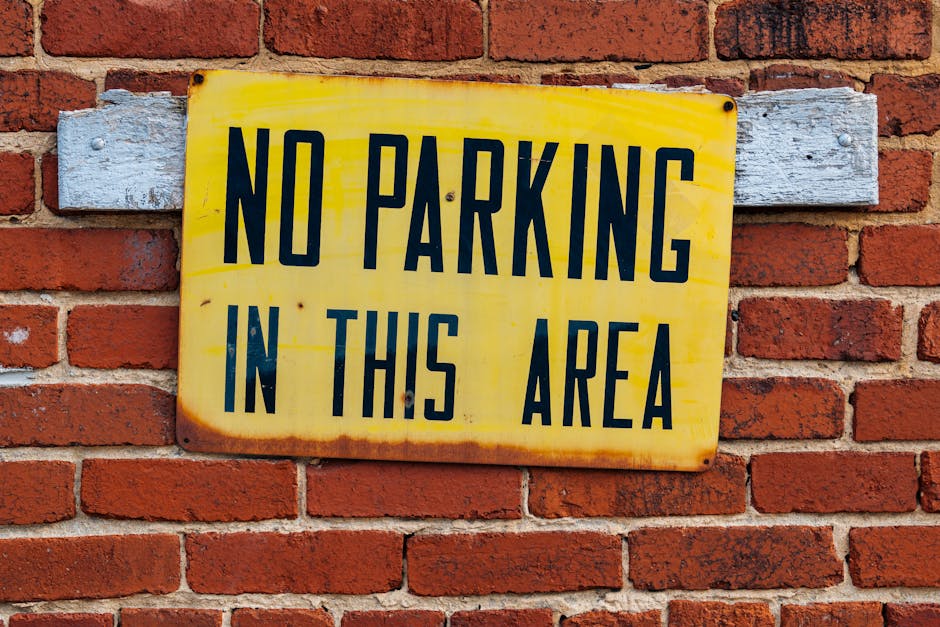
Highbury parking restrictions and removals loading bay rules

If you are moving in or out of Highbury, parking can become the awkward bit nobody wants to think about until the van is circling the block and the clock is already moving. Highbury parking restrictions and removals loading bay rules matter because a well-planned stop can save you stress, wasted labour time, and that horrible last-minute scramble when a driver cannot pull in safely. In a busy London area with narrow streets, resident bays, permit controls, and loading limits, a move needs more than boxes and muscle. It needs timing, a sensible vehicle plan, and a clear understanding of where a removals van can actually stop.
This guide explains the practical side of loading in Highbury, what restrictions usually affect removals, how to avoid common mistakes, and how to plan a move that does not turn into a parking headache. I will keep it plain-English and useful. No fluff. Just the stuff that helps on the day.
Why Highbury parking restrictions and removals loading bay rules matter
On moving day, parking is not a small detail. It is the difference between a smooth handover and a slow, expensive mess. In Highbury, you are often dealing with a mix of controlled parking areas, time-limited loading spaces, permit bays, single yellow lines, and streets where a large van simply cannot sit casually for an hour while everyone searches for the kettle box.
That matters for three reasons. First, moving crews need space close to the property so they can carry furniture safely and efficiently. Second, if a vehicle is parked where it should not be, you risk a penalty, complaint, or forced relocation of the van. Third, every minute spent hunting for a legal space increases labour time. Truth be told, the load-in is often the most delicate part of the whole move.
There is also a local reality to Highbury: streets can feel tighter than they look on a map, and traffic can get choppy around peak hours, school runs, and matchdays nearby. If you are moving from a flat, a maisonette, or a terraced house with limited frontage, the room for error shrinks fast.
For that reason, it helps to treat parking as part of the move plan, not an afterthought. If you are arranging a larger property move, it is worth aligning your schedule with the right type of vehicle and support, whether that is a removals service, a smaller man and van option, or even a dedicated removal van for tighter access.
Expert summary: In Highbury, a successful removal is usually decided before the first box is lifted. If you get the stopping place, timing, and vehicle choice right, the rest of the day tends to behave itself.
How Highbury parking restrictions and removals loading bay rules works
Let's keep this practical. Highbury parking restrictions and loading bay rules are usually about where a vehicle can stop, for how long, and under what conditions. For removals, the main issue is access close to the property. A loading bay may allow stopping for loading or unloading only, while some restrictions might permit short stays during certain times but not others.
Because rules vary by street, the safest approach is never to assume that "just a quick stop" will be acceptable. In London, many roads have different restrictions at different times of day, and bays are often marked with signs that tell you the permitted activity. Some allow loading without a separate parking permit; others are more specific and may require a waiver, dispensation, or prior authorisation. Where the property is in a permit-controlled area, the driver may need to plan around that as well.
From a removals perspective, three things usually matter most:
- Location of the vehicle: how close the van can legally get to the door.
- Time window: whether the stop is allowed at the time of your move.
- Duration of loading: how long the team can keep the vehicle there while items are carried.
A loading bay is useful because it gives the driver a legal and predictable place to stop. But it is not a magic wand. If the bay is time-limited, shared, or busy, you still need a plan. A one-hour move in a quiet street and a three-bed house removal on a Friday morning are very different beasts. The idea is to match the vehicle and the timing to the actual access conditions, not the other way around.
For moves involving bulky items or fragile pieces, access planning becomes even more important. A piano, for example, needs space, careful handling, and usually a more deliberate route from van to property. You can see why services such as piano removals or full furniture removals often depend on a proper loading position rather than a hope-and-pray parking approach.
What usually happens on the day
In a typical Highbury move, the driver arrives first, checks the street, and works out the nearest lawful stop. The team then brings items out in a steady flow, keeping doorways clear and avoiding awkward shuffling back and forth. If the load point is too far away, the move slows down. If the van has to move mid-load because of restrictions, the whole thing can become stop-start and irritating. Nobody enjoys carrying a wardrobe twice. Nobody.
Key benefits and practical advantages
Getting the parking side right gives you more than just peace of mind. It has a direct effect on time, cost, and safety.
- Faster loading and unloading: A legal, nearby stop reduces walking distance and keeps the crew moving.
- Lower disruption: You avoid blocking neighbours, cycle routes, or entrances.
- Reduced risk of penalties: Good planning lowers the chance of parking tickets or enforcement action.
- Safer handling: Shorter carry distances are better for heavy, awkward, or fragile items.
- More accurate scheduling: The move is less likely to overrun just because the van could not park properly.
There is also a quieter benefit: confidence. When the parking is sorted, people relax a bit. The team knows where to go. The homeowner or tenant is not standing on the pavement checking the clock every 30 seconds. And in a busy street, that calm matters more than people expect.
If you are comparing service options, it may help to think about access before price alone. A quote for a simple street-level load may not suit a top-floor flat with limited stopping space. Services such as flat removals or home moves often rely on more careful access planning than a straightforward one-room move.
Who this is for and when it makes sense
This topic matters to almost anyone moving in Highbury, but some people feel the parking pressure more than others.
- Flat movers: If you are leaving a first-, second-, or top-floor flat, every extra metre between van and door adds time and effort.
- Families moving house: Larger loads mean longer vehicle occupation and more chance of affecting traffic or neighbours.
- Students: Student moves often happen around busy changeover periods, which can make parking scarcer than expected.
- Office managers: Commercial relocations need tighter scheduling and fewer interruptions, especially if building access is shared.
- Anyone using a van in a narrow street: Even a well-organised move can get messy if the vehicle cannot stop lawfully.
It also makes sense when you have awkward items, tight stairwells, or a short turnaround. A same-day move, for instance, leaves little room for parking guesswork. In that situation, a service like same-day removals can be useful, but only if the access details are known in advance.
And here's the honest bit: if you are unsure whether your street is friendly to large vehicles, it is better to over-plan than to wing it. Moving day has enough surprises already.
Step-by-step guidance
If you want to make Highbury parking restrictions and removals loading bay rules work for you, use a structured approach. It does not have to be fancy. Just careful.
- Check the property access first. Look at the street, the pavement width, any bends, nearby junctions, and whether a van can physically stop without blocking too much.
- Identify the nearest legal loading point. Do not assume the door outside is the answer. Sometimes the best stop is a few metres away, sometimes a whole short row down.
- Review time restrictions. Make sure the loading window lines up with your arrival time. A bay that works at midday may be useless at 8:30am.
- Match the vehicle to the street. A larger truck may be ideal for capacity, but a smaller van can be smarter where access is tight. You will notice this especially around narrow residential roads.
- Plan the order of loading. Put the heaviest, most awkward items closest to the door and keep essential items accessible if you need them quickly.
- Prepare your paperwork and contact details. If the move involves permits, building rules, or concierge instructions, keep everything ready and easy to show.
- Build in a time buffer. A few extra minutes can save a lot of stress when traffic, neighbours, or access complications get in the way.
A small but useful habit is to do a quick walk-through the evening before. You do not need a clipboard. Just a look at the street, the sign plates, the bay markings, and the practical route from van to front door. It sounds simple because it is simple. And simple is good on moving day.
If packing is still in progress, that can be the perfect time to book packing and boxes support or full packing and unpacking services. Less chaos in the boxes usually means less time spent blocking the pavement with half-open containers and tape everywhere.
Expert tips for better results
Here are the little things that make a real difference. Not theory. Real-world stuff.
- Use a smaller vehicle when access is tight: A slightly smaller van parked legally and close to the door often beats a large truck parked awkwardly two streets away.
- Keep loading materials ready by the exit: Trolleys, blankets, straps, and tape should be near the front, not buried under kitchenware.
- Protect the building entry: Use floor protection or covers if needed, especially in shared hallways or flats.
- Coordinate with neighbours where sensible: A quick heads-up can reduce friction if the bay is outside several homes.
- Have a fallback plan: If the bay is occupied, know the next best legal option before the van arrives.
In our experience, the most successful moves are the ones where someone has thought about the boring details. The people who say, "It'll be fine, mate," often discover that it is not fine at all. Parking is one of those things. A bit dull. Very important.
If your move involves a larger household, a company vehicle, or multiple trips, it may also be worth looking at removal truck hire or a more complete removal services package so the vehicle choice matches the street conditions from the start.
Common mistakes to avoid
These are the mistakes that tend to cause the most trouble.
- Assuming all loading bays are the same: They are not. Time windows, user rules, and length of stay can all differ.
- Turning up without checking signs: A bay marking on the road is not enough on its own. The upright sign matters too.
- Booking the wrong size vehicle: Too small, and you do extra trips. Too big, and you may not fit or stop legally.
- Forgetting building rules: Some blocks have specific access times, lift reservations, or management instructions.
- Leaving loading until the last minute: This is how people end up rushing, blocking the street, and regretting the whole idea.
One more thing: do not ignore the human side. If you are blocking a neighbour's view, driveway, or entrance, even briefly, frustration can build fast. A polite word at the right time can smooth over a lot. It is a small thing, but it helps.
Tools, resources and recommendations
You do not need a huge toolkit, but a few practical items and documents make the day run better.
- Printed move schedule: Useful if phone signal drops or someone needs to confirm the sequence quickly.
- Photos of the street and bays: Very handy when explaining access to a mover or driver before the day.
- Box labels: Clear labels reduce the time items spend sitting on the pavement while someone asks, "Where does this go?"
- Protective blankets and straps: Better for safe handling and less risk of scuffs in tight spaces.
- Building access notes: Entry codes, lift rules, concierge names, and any time limits should be written down.
For many people, it also helps to have the right moving support lined up in advance. A larger household move may suit house removals or help from house removalists, while a student or smaller flat move may be better served by student removals or a flexible van service.
If storage becomes part of the plan because access or timing is tricky, short-term storage can take the pressure off. That can be a lifesaver when completion dates shift and the street outside is already a bit of a puzzle.
Law, compliance, standards, or best practice
Parking and loading rules in Highbury are not something to treat casually. While the exact restrictions depend on the street and local signage, the general UK expectation is that drivers follow on-street restrictions, observe bay markings, and avoid stopping in places where the vehicle would cause unnecessary obstruction or danger.
For removals, best practice usually means:
- checking the local signs before stopping;
- keeping within any loading time permitted;
- avoiding unsafe or obstructive parking;
- respecting resident access, crossings, driveways, and junction visibility;
- using the correct permit, waiver, or pre-arranged arrangement where needed.
If a move involves shared buildings, common areas, or commercial premises, there may also be site-specific requirements. Office buildings often have stricter access rules, lift bookings, or loading dock procedures. In those cases, planning a office removals job without checking access is asking for trouble, frankly.
This is also where a trustworthy operator matters. Good practice should include sensible handling, safe lifting, route planning, and respect for the property and street environment. If you want to understand how a mover approaches that side of things, the company's health and safety policy and insurance and safety approach are worth reviewing before you book.
Options, methods, or comparison table
There are a few common ways to handle removals in a restricted area. The best one depends on the street, the size of the move, and how much access you actually have.
| Method | Best for | Advantages | Trade-offs |
|---|---|---|---|
| Small van with close street access | Flats, student moves, lighter household loads | Easier to park, quicker stop, less disruption | May need multiple trips if the load is large |
| Larger removal truck | Full house moves, commercial moves, bulky items | More capacity, fewer journeys | Harder to park in narrow streets; access planning is crucial |
| Pre-arranged loading bay use | Busy residential roads or shared access areas | More predictable stopping point, often smoother loading | Usually requires checking time limits and suitability first |
| Staggered move with storage | Delayed completion, renovations, awkward timing | Takes pressure off the moving day | Extra handling and coordination needed |
There is no single winner here. A flat move on a quiet weekday morning might be ideal for a man with van style service. A larger family home with lots of furniture may suit a bigger team and vehicle. If the route is awkward, the smartest move is not always the biggest one. That surprises people, but it is true.
Case study or real-world example
Here is a realistic example based on a typical Highbury move. A tenant is leaving a second-floor flat near a narrow residential street. The road has bay markings, but the nearest unrestricted spot is several minutes away on foot. The mover initially thinks, "We'll just park outside and get on with it." Then they spot the time-limited loading restriction and the parked cars already lining the kerb. Not ideal.
Instead of forcing it, the driver uses the nearest lawful loading point and the team loads in a steady sequence: mattresses and wardrobes first, then boxes, then the smaller items that can be carried more quickly. The resident keeps the hallway clear, the lift is booked, and the property is handed back without that last-minute panic where everyone is sweating and pretending not to be annoyed.
The move still takes effort, of course. It always does. But because the parking and loading plan was realistic, the day stays under control. That is the main lesson. Not glamorous. Very useful.
Practical checklist
Use this before moving day if you want the process to feel less frantic.
- Confirm the exact moving address and access route.
- Check for loading bays, permit bays, single yellows, and any time restrictions.
- Note where a removal van can legally stop closest to the property.
- Photograph street signs and bay markings.
- Tell the removal team about stairs, lifts, entry codes, and narrow hallways.
- Prepare a sensible vehicle size for the street.
- Keep essentials and documents separate from packed boxes.
- Arrange a fallback stopping point if the first one is unavailable.
- Communicate with building management or neighbours if needed.
- Build in a time buffer for traffic and loading delays.
Quick reminder: the more organised the access plan, the less the rest of the move has to compensate for it. That is usually where the stress comes from, not the boxes themselves.
If you are still comparing support options, a detailed quote can help you decide whether you need man with a van, a larger moving vehicle, or a more complete service package that fits the street and the schedule.
Get a free quote today and see how much you can save.
Conclusion
Highbury parking restrictions and removals loading bay rules can feel fiddly at first, but they are manageable when you treat them as part of the move itself. The key is simple: know where the van can stop, know how long it can stay there, and choose a moving setup that matches the reality of the street rather than the ideal version in your head.
That approach protects your time, reduces stress, and makes the whole day feel more under control. And if you are the one standing in the doorway with a roll of tape in your hand while traffic passes outside, trust me, you will be glad you planned it properly. A smooth move is often just a well-handled access problem in disguise.
When you are ready, choose the path that makes the day feel calmer, safer, and a bit less chaotic. That small bit of planning goes a long way.
Frequently Asked Questions
Can removals vans stop in a Highbury loading bay?
Sometimes, yes, but only if the bay and the time of day allow loading activity. The sign on the street is what matters, not assumptions. Always check the bay rules before you arrive.
Do I need a permit for removals parking in Highbury?
Not always, but some streets and bays have permit or time-based restrictions. If the move is in a controlled parking area, it is wise to check whether any dispensation or permission is needed in advance.
What happens if the loading bay is occupied?
If the bay is taken, the driver should use the next lawful option rather than stopping illegally. That is why having a fallback location matters. It saves time and avoids rushed decisions.
Is a small van better than a large truck in Highbury?
For tight residential streets, often yes. A smaller van can be easier to position legally and closer to the property. For larger moves, though, capacity matters too, so the right answer depends on the load and the street layout.
How far in advance should I check parking rules?
Ideally a few days before the move, and again the day before if you can. Streets can have temporary changes, works, or local restrictions that are easy to miss if you leave it too late.
Can I load from a single yellow line?
It depends on the restriction and the time. Some single yellow lines permit loading at certain times, but others do not. The signage and local controls need to be checked carefully.
What if my flat is on an upper floor?
Then parking becomes even more important because carry distance matters. A closer lawful stop can save a lot of time and reduce strain on the moving team. It is one of those things you feel immediately on the day.
Does using a loading bay speed up the move?
Usually, yes. A proper loading bay can reduce walking time and keep the workflow steady. But only if the bay is available and suitable for the move at that time.
Should I tell my removal company about parking restrictions?
Absolutely. Give them the access details early, including street photos if possible. It helps them choose the right vehicle and plan the loading sequence properly.
Are same-day moves harder with parking restrictions?
They can be, because there is less time to solve access problems. If you need a quicker move, make sure the parking and loading plan is already clear so the day does not get bogged down.
Can storage help if parking access is limited?
Yes. If timing is awkward or the property cannot be loaded efficiently in one go, short-term storage can make the move easier and reduce pressure on the street. It is a practical fallback, not a failure.
What is the biggest mistake people make with removals parking in Highbury?
Probably assuming there will be a convenient space right outside the property. In busy London streets, that assumption can unravel fast. A realistic access plan is usually the difference between smooth and scrambled.